
A nurse who does not argue with science is unfortunately not valued as they should be.
Nursing practice requires more than technical skills; it demands a solid theoretical basis. The theories presented here are the pillars that support our profession as a science.
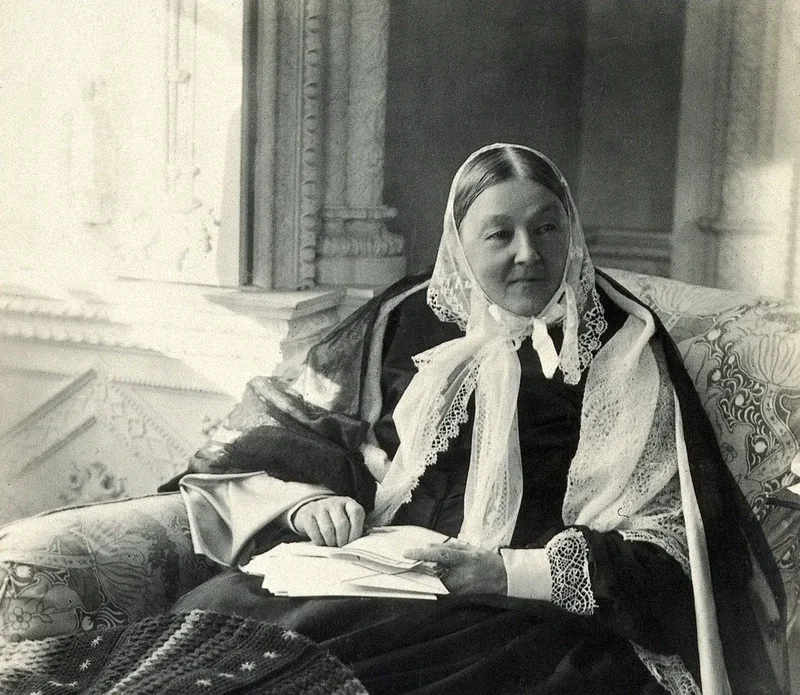
1. ENVIRONMENTAL THEORY (Florence Nightingale)
Year: 1859 | Country: England
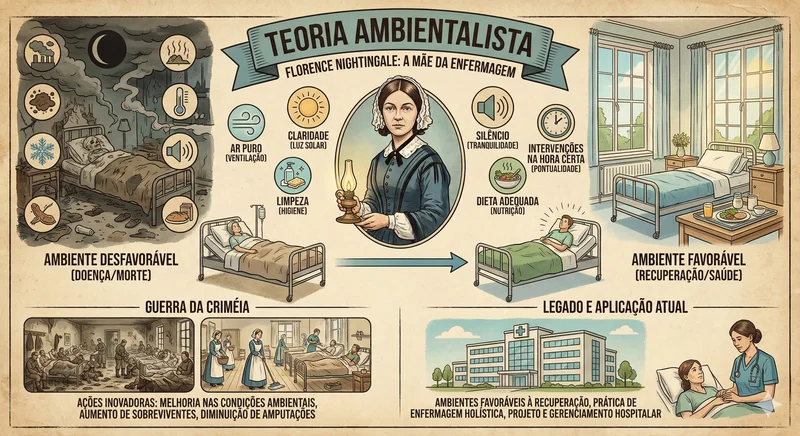
Florence Nightingale revolutionized nursing by establishing that the physical environment is fundamental to health recovery. Her theory emphasizes that clean, airy, and well-lit environments promote healing, while dirty and poorly ventilated environments contribute to disease and death. The theory establishes five essential elements: pure air, pure water, efficient drainage, cleanliness, and light.
Examples in Nursing Daily Life:
- Strict control of hospital infection through asepsis and antisepsis
- Maintenance of cleanliness and organization of hospital environments
- Adequate ventilation of care environments
- Lighting and noise control to promote patient rest
- Hospital waste management
Where They Are Employed:
- Hospital infection control protocols
- Environmental sanitation guidelines
- Hospital construction standards
- Hospital cleaning protocols
- Patient safety policies
Reference Book: NIGHTINGALE, F. Notes on Nursing: What It Is, and What It Is Not. London: Harrison, 1860.
2. BASIC HUMAN NEEDS THEORY (Wanda Horta)
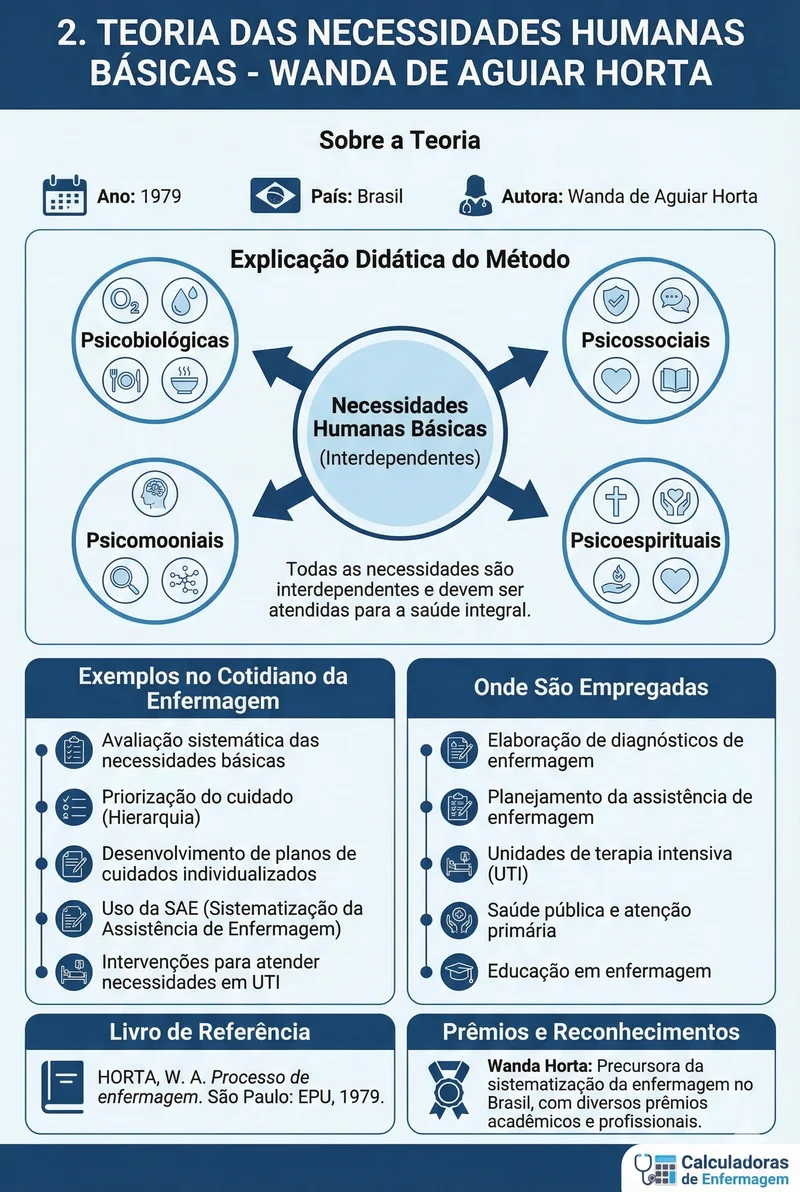
Year: 1979 | Country: Brazil
Wanda Horta developed a theory that classifies human needs into three groups: psychobiological (oxygen, water, food, elimination), psychosocial (security, communication, love, education), and psychospiritual (religion, beliefs, values). The theory emphasizes that all needs are interdependent and must be met to maintain the person's integral health.
Examples in Nursing Daily Life:
- Systematic assessment of the patient's basic needs
- Prioritization of care based on the hierarchy of needs
- Development of individualized care plans
- Use of NCS (Nursing Care Systematization)
- Interventions to meet basic needs in ICU
Where They Are Employed:
- Development of nursing diagnoses
- Nursing care planning
- Intensive care units
- Public health and primary care
- Nursing education
Reference Book: HORTA, W. A. Processo de enfermagem [Nursing Process]. São Paulo: EPU, 1979.
3. SELF-CARE DEFICIT THEORY (Dorothea Orem)
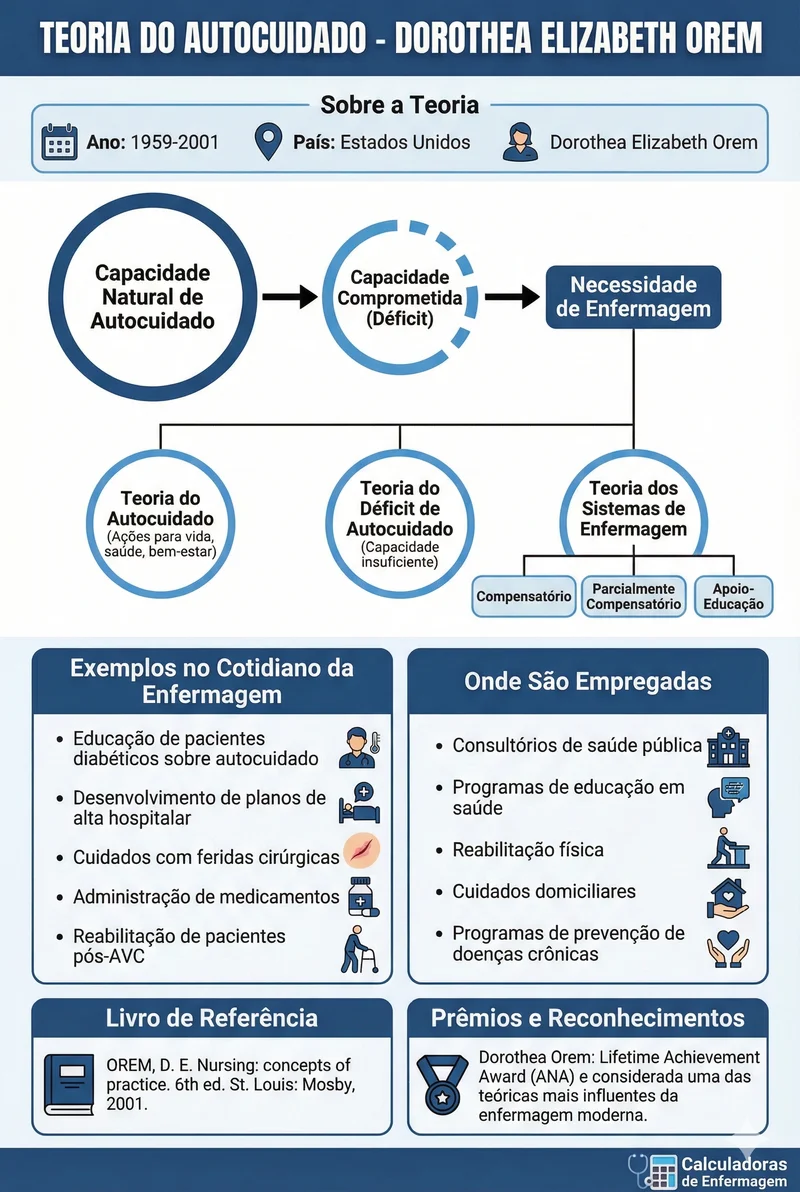
Year: 1959-2001 | Country: United States
Orem's theory establishes that people have the natural ability to care for themselves, but when this ability is compromised, the need for nursing arises. The theory comprises three interconnected theories: Self-Care Theory (actions the person takes to maintain life, health, and well-being), Self-Care Deficit Theory (when self-care ability is insufficient), and Nursing Systems Theory (compensatory, partially compensatory, and supportive-educative care systems).
Examples in Nursing Daily Life:
- Education of diabetic patients on self-care
- Development of hospital discharge plans
- Surgical wound care
- Medication administration
- Rehabilitation of post-stroke patients
Where They Are Employed:
- Public health clinics
- Health education programs
- Physical rehabilitation
- Home care
- Chronic disease prevention programs
Reference Book: OREM, D. E. Nursing: Concepts of Practice. 6th ed. St. Louis: Mosby, 2001.
4. ADAPTATION MODEL (Sister Callista Roy)
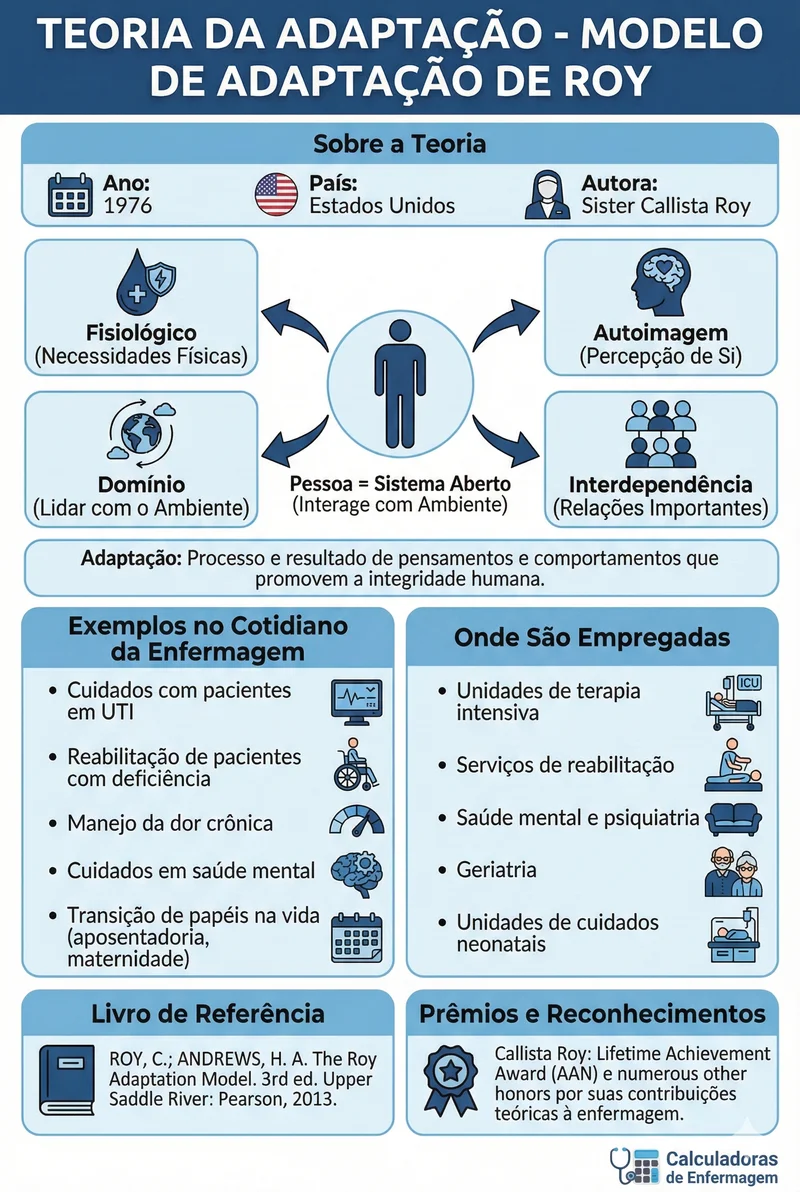
Year: 1976 | Country: United States
Roy's Adaptation Model is based on the idea that people are open systems that continuously interact with the environment. Adaptation processes involve four modes: physiological (physical needs), self-concept (how the person perceives themselves), role function (how the person deals with the environment), and interdependence (important relationships). Adaptation is the process and result of thoughts and behaviors that promote human integrity.
Examples in Nursing Daily Life:
- Care for patients in ICU
- Rehabilitation of patients with disabilities
- Chronic pain management
- Mental health care
- Role transitions in life (retirement, motherhood)
Where They Are Employed:
- Intensive care units
- Rehabilitation services
- Mental health and psychiatry
- Geriatrics
- Neonatal care units
Reference Book: ROY, C.; ANDREWS, H. A. The Roy Adaptation Model. 3rd ed. Upper Saddle River: Pearson, 2013.
5. THEORY OF INTERPERSONAL RELATIONS (Hildegard Peplau)
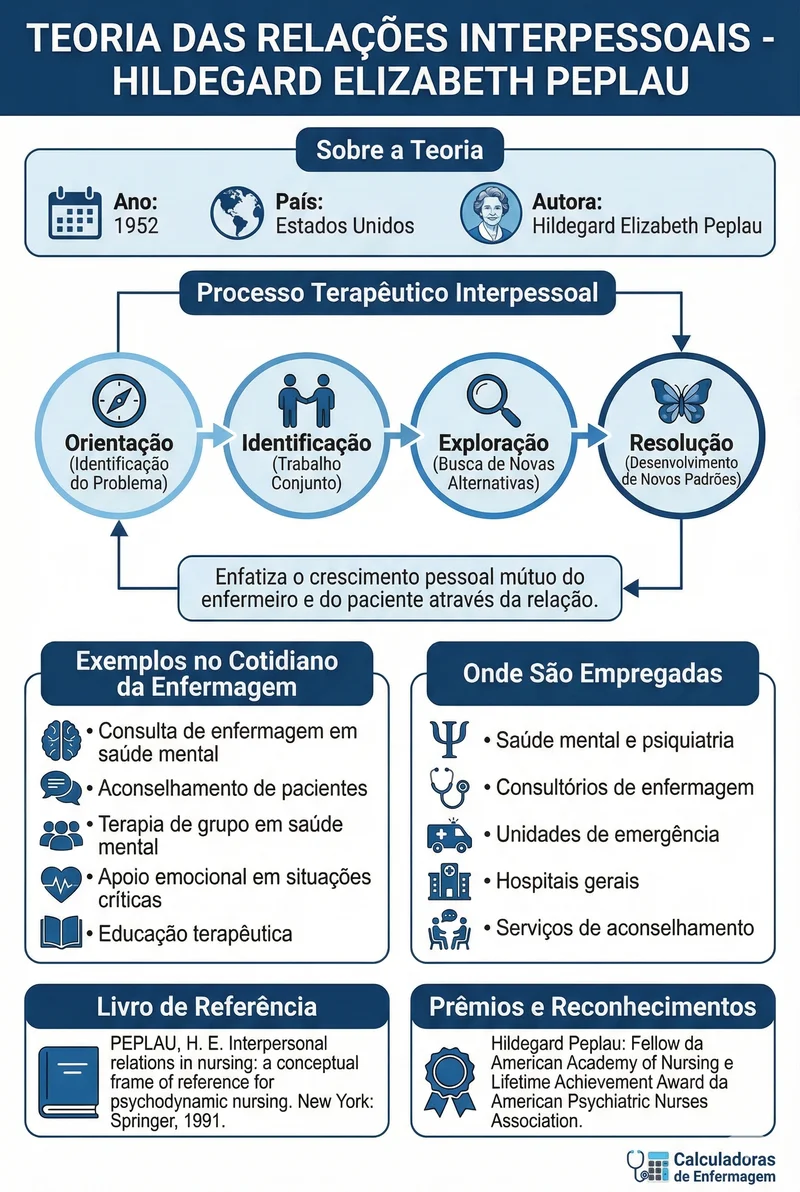
Year: 1952 | Country: United States
Peplau defined nursing as a therapeutic interpersonal process that occurs between two or more people. The theory describes four phases of the therapeutic relationship: orientation (problem identification), identification (working together to solve the problem), exploitation (searching for new alternatives), and resolution (development of new patterns). The theory emphasizes the mutual personal growth of the nurse and the patient through the relationship.
Examples in Nursing Daily Life:
- Nursing consultation in mental health
- Patient counseling
- Group therapy in mental health
- Emotional support in critical situations
- Therapeutic education
Where They Are Employed:
- Mental health and psychiatry
- Nursing offices
- Emergency units
- General hospitals
- Counseling services
Reference Book: PEPLAU, H. E. Interpersonal Relations in Nursing. New York: G.P. Putnam’s Sons, 1952.
6. THEORY OF HUMAN CARING (Jean Watson)
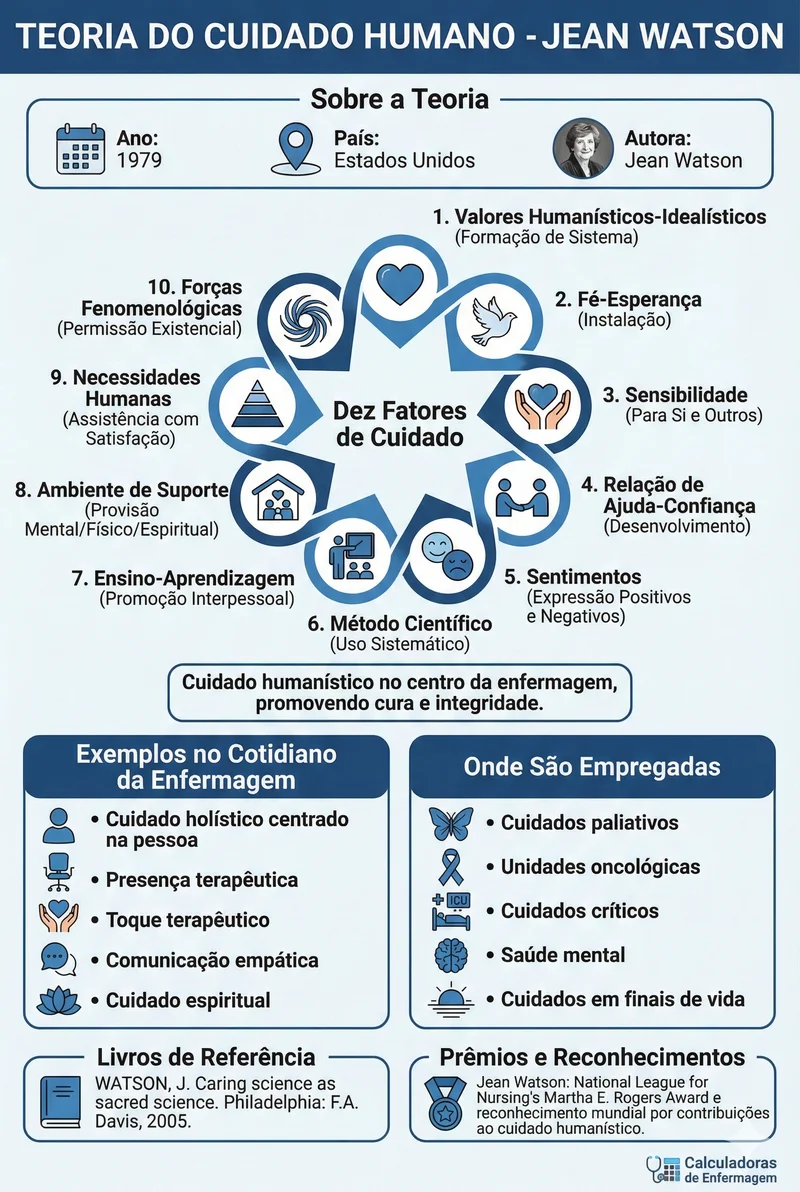
Year: 1979 | Country: United States
Watson developed a humanistic theory that places caring at the center of nursing. The theory includes ten carative factors: formation of a humanistic-altruistic system of values, instillation of faith-hope, cultivation of sensitivity to one’s self and to others, development of a helping-trusting relationship, promotion and acceptance of the expression of positive and negative feelings, systematic use of the scientific problem-solving method for decision making, promotion of interpersonal teaching-learning, provision for a supportive, protective, and/or corrective mental, physical, sociocultural, and spiritual environment, assistance with the gratification of human needs, and allowance for existential-phenomenological forces.
Examples in Nursing Daily Life:
- Holistic person-centered care
- Therapeutic presence
- Therapeutic touch
- Empathetic communication
- Spiritual care
Where They Are Employed:
- Palliative care
- Oncology units
- Critical care
- Mental health
- End-of-life care
Reference Book: WATSON, J. Nursing: Human Science and Human Care. Norwalk, CT: Appleton-Century-Crofts, 1985.
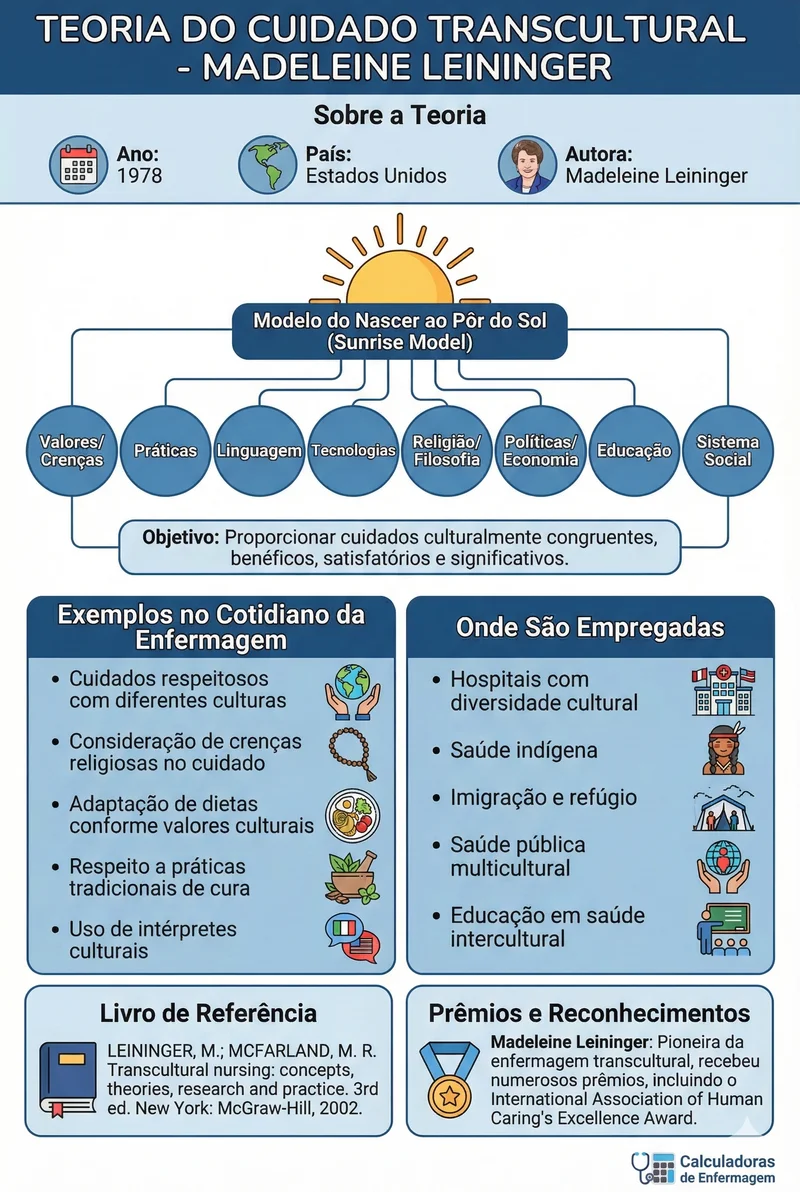
7. TRANSCULTURAL NURSING THEORY (Madeleine Leininger)
Year: 1978 | Country: United States
Leininger developed the first theory specifically for transcultural nursing, based on culture care. The Sunrise Model includes cultural factors that influence care: values, beliefs, practices, language, technologies, religion, philosophy, politics, economy, education, and social system. The goal is to provide culturally congruent care that is beneficial, satisfying, and meaningful to people.
Examples in Nursing Daily Life:
- Respectful care for patients from different cultures
- Consideration of religious beliefs in care
- Adaptation of diets according to cultural values
- Respect for traditional healing practices
- Use of cultural interpreters
Where They Are Employed:
- Hospitals with cultural diversity
- Indigenous health
- Immigration and refuge
- Multicultural public health
- Intercultural health education
Reference Book: LEININGER, M. M. Culture Care Diversity and Universality: A Theory of Nursing. New York: NLN Press, 1991.
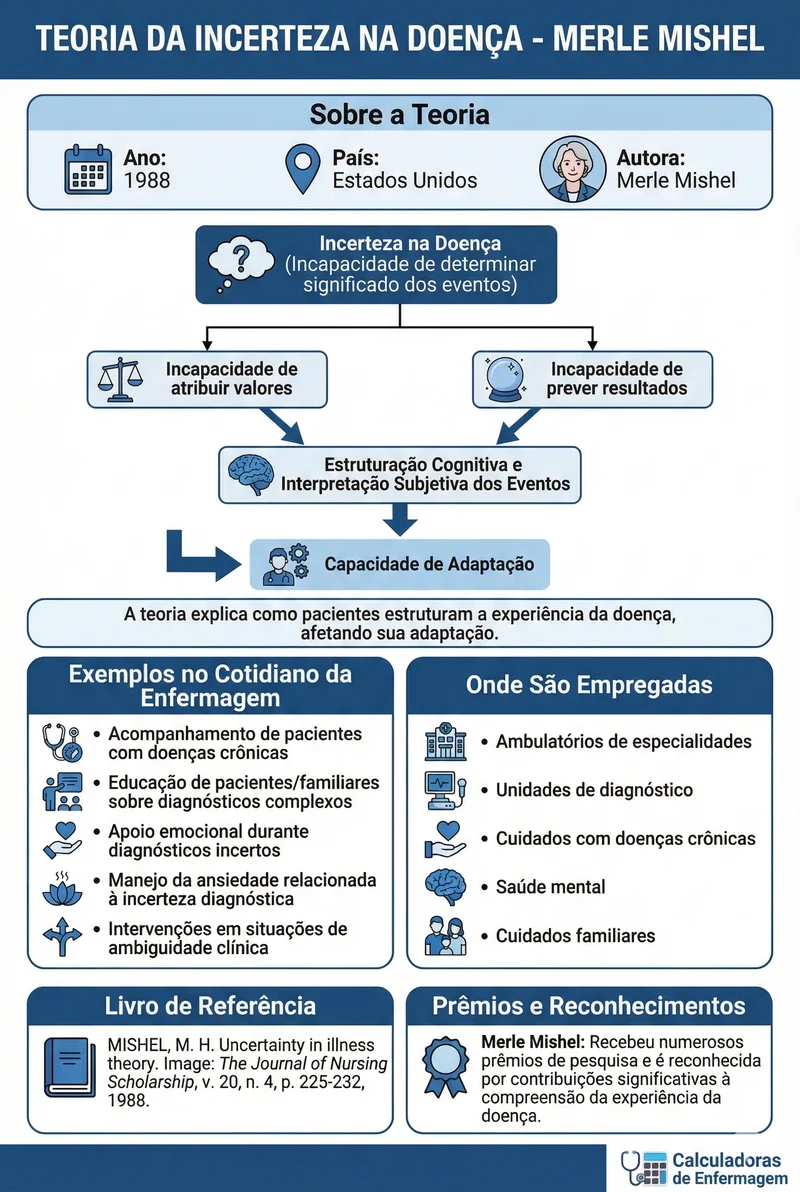
8. UNCERTAINTY IN ILLNESS THEORY (Merle Mishel)
Year: 1988 | Country: United States
Mishel defined uncertainty in illness as the inability to determine the meaning of illness-related events, occurring when the decision-maker is unable to assign definite value to objects or events and/or is unable to accurately predict outcomes. The theory explains how patients cognitively structure a schema for subjective interpretation of illness-related events and how this affects their ability to adapt.
Examples in Nursing Daily Life:
- Follow-up of patients with chronic diseases
- Education of patients and families about complex diagnoses
- Emotional support during uncertain diagnoses
- Management of anxiety related to diagnostic uncertainty
- Interventions in situations of clinical ambiguity
Where They Are Employed:
- Specialty clinics
- Diagnostic units
- Chronic disease care
- Mental health
- Family care
Reference Book: MISHEL, M. H. Uncertainty in illness. Image: Journal of Nursing Scholarship, 20(4), 225-232, 1988.
9. THEORY OF GOAL ATTAINMENT (Imogene King)
Year: 1981 | Country: United States
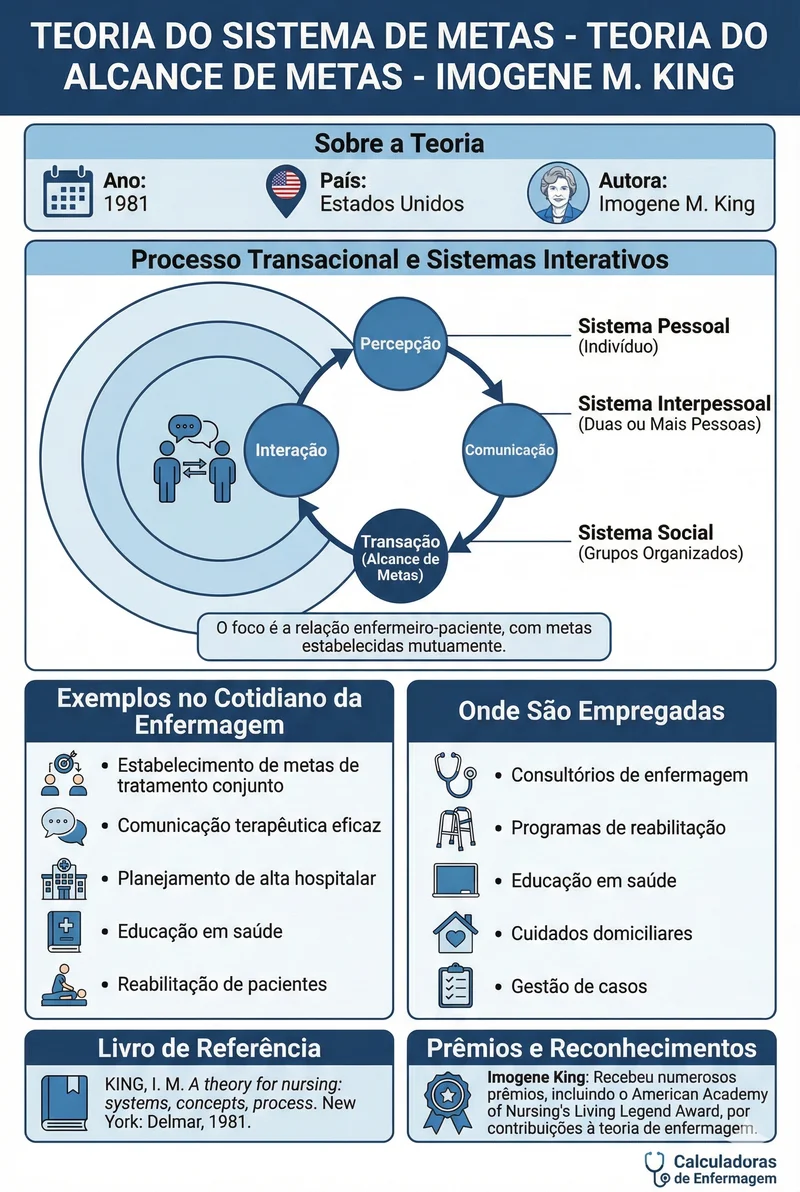
King's theory focuses on the nurse-patient relationship as a process of transactions to attain specific goals. The theory includes three interacting systems: personal system (individual), interpersonal system (two or more people), and social system (organized groups). The transactional process involves perception, communication, interaction, transaction, and the role of the nurse. Goals are mutually established by the nurse and patient.
Examples in Nursing Daily Life:
- Establishment of joint treatment goals
- Effective therapeutic communication
- Hospital discharge planning
- Health education
- Patient rehabilitation
Where They Are Employed:
- Nursing offices
- Rehabilitation programs
- Health education
- Home care
- Case management
Reference Book: KING, I. M. A Theory for Nursing: Systems, Concepts, Process. New York: Wiley, 1981.
10. SCIENCE OF UNITARY HUMAN BEINGS (Martha Rogers)
Year: 1970 | Country: United States
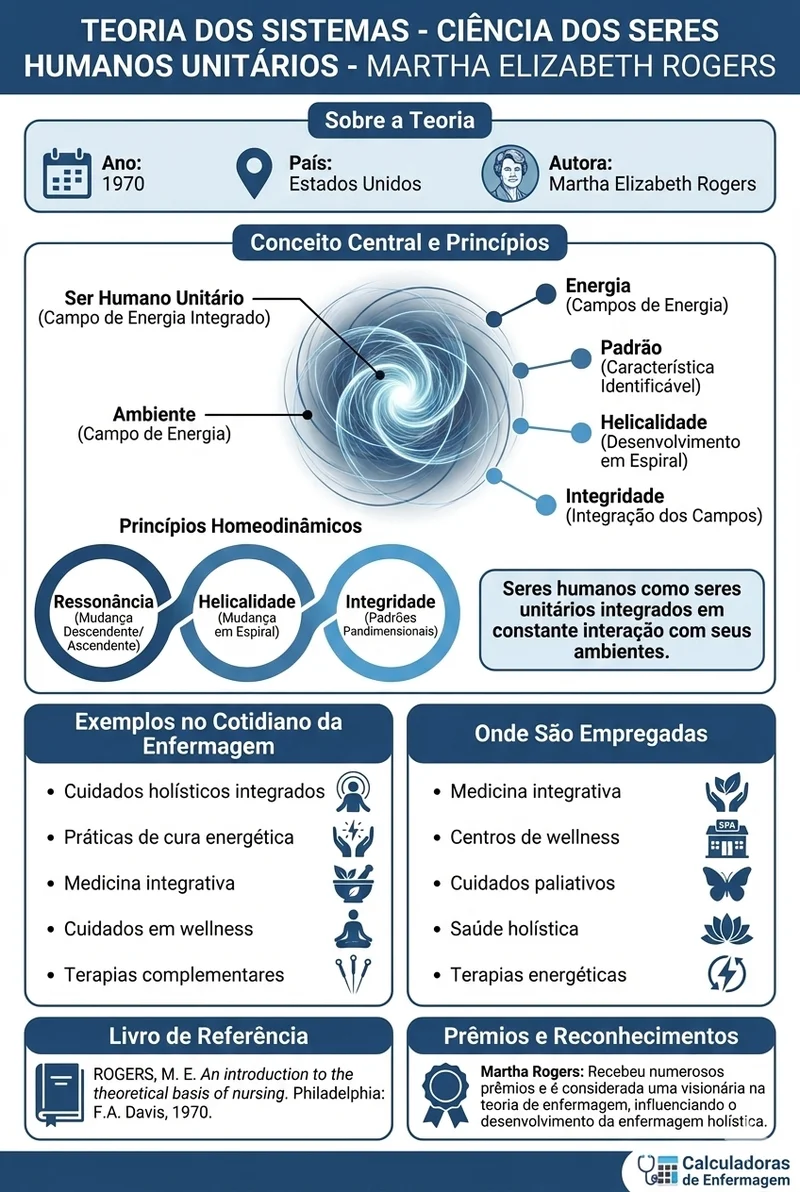
Rogers developed a theory that views human beings as integral unitary beings in constant interaction with their environments. The theory includes four postulates: energy fields (human beings are energy fields), openness (infinite energy domains), pattern (identifiable characteristic of the field), and pandimensionality (non-linear domain). The three homeodynamic principles are: resonancy (continuous change), helicy (spiral development), and integrality (continuous mutual human field and environmental field process).
Examples in Nursing Daily Life:
- Integrated holistic care
- Energy healing practices
- Integrative medicine
- Wellness care
- Complementary therapies
Where They Are Employed:
- Integrative medicine
- Wellness centers
- Palliative care
- Holistic health
- Energy therapies
Reference Book: ROGERS, M. E. An Introduction to the Theoretical Basis of Nursing. Philadelphia: F.A. Davis, 1970.
11. CONSERVATION MODEL (Myra Levine)
Year: 1973 | Country: United States
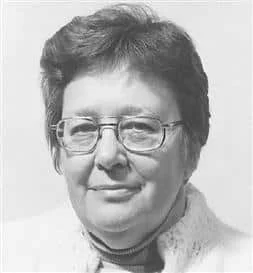
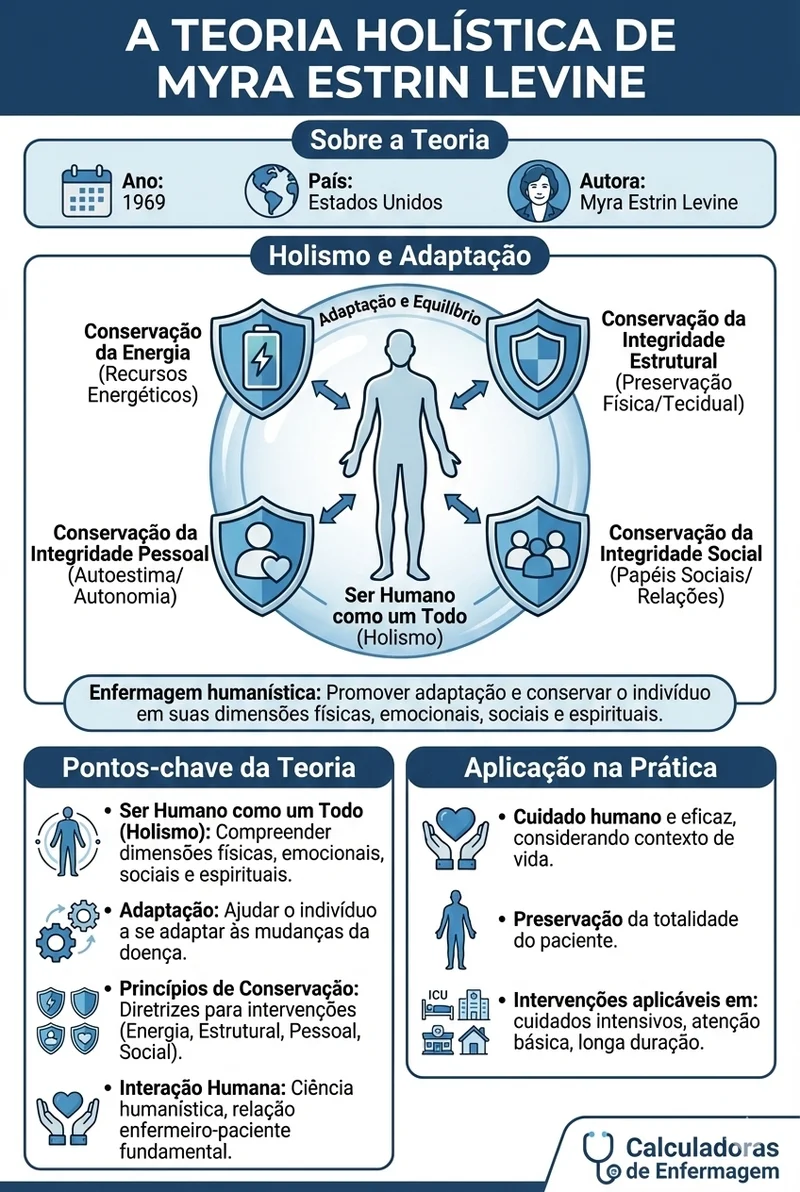
Myra Levine developed a holistic theory based on the principle of energy conservation. The Conservation Model emphasizes the preservation of the patient's integrity and wholeness through four fundamental principles: conservation of energy, conservation of structural integrity, conservation of personal integrity, and conservation of social integrity. The theory focuses on patient adaptation and health promotion through conservative interventions that preserve what is essential for life.
Examples in Nursing Daily Life:
- Care for socially isolated elderly
- Energy conservation in patients with chronic fatigue
- Preservation of dignity during invasive procedures
- Maintenance of structural integrity in bedridden patients
- Respect for cultural beliefs and social practices of patients
- Sleep and rest management for energy conservation
Where They Are Employed:
- Geriatrics and elderly care
- Intensive care units
- Palliative care
- Physical rehabilitation
- Occupational health
- Community nursing
- Home care
Reference Book: LEVINE, M. E. Introduction to Clinical Nursing. 2nd ed. Philadelphia: Lippincott, 1973.